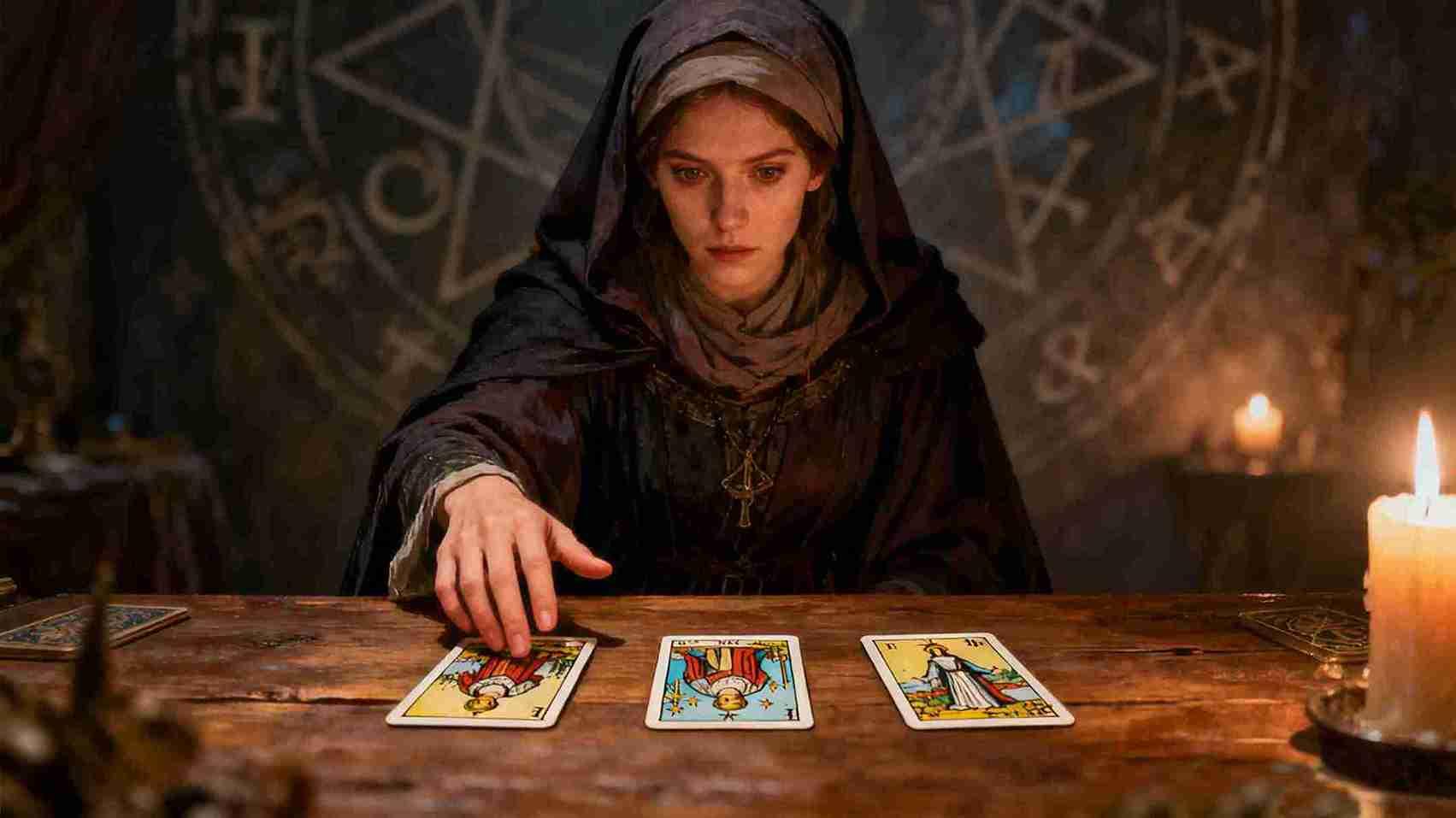
Tarot Cards: A Mirror to the Subconscious
Tarot cards are far more than a deck of illustrated cards; they are a captivating and enigmatic tool for divination and self-reflection. They offer a unique lens through which we can explore the hidden landscapes of our inner world.
1. The Origin of Tarot Cards
Tarot cards first emerged in the mid-15th century within the aristocratic courts of Italy and France, where they were known as "trionfi" (triumphs) and used for a popular card game similar to modern-day bridge. It wasn't until the 18th century that mystics and occultists, particularly in France and England, began to ascribe deeper, esoteric meanings to the cards. They wove the rich symbolism of the Tarot into the fabric of mysticism, astrology, psychology, and philosophy, transforming it into a powerful tool believed to unlock the secrets of the subconscious mind, illuminate potential future paths, and reveal our deepest needs and desires.
2. The Structure of a Tarot Deck
A standard Tarot deck is composed of 78 cards, meticulously divided into two primary archetypes: the Major Arcana and the Minor Arcana.
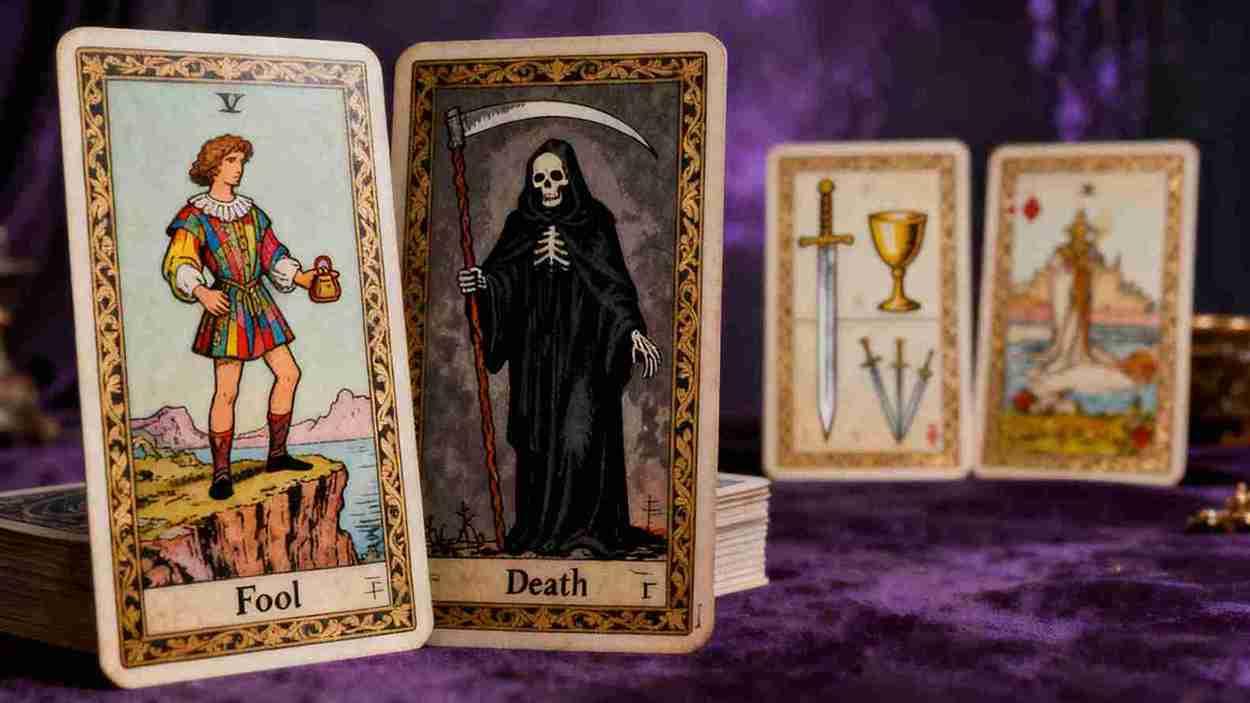
The Major Arcana (22 cards) is often called the "soul's journey." These cards depict universal, archetypal themes and significant life lessons. They represent profound turning points and spiritual milestones. For instance, "The Fool" signifies a leap of faith and a new beginning, while "Death" does not physical death but rather powerful transformation, endings, and necessary change.
The Minor Arcana (56 cards) reflects the day-to-day events, challenges, and triumphs of our lives. It is divided into four suits, each corresponding to a specific element and life domain:
Wands (Fire): Represent passion, action, inspiration, and creativity.
Cups (Water): Symbolize emotions, relationships, love, and intuition.
Swords (Air): Are associated with intellect, thought, communication, and conflict.
Pentacles (Earth): Deal with the material world, including career, finances, security, and physical health.
3. How a Tarot Reading Works
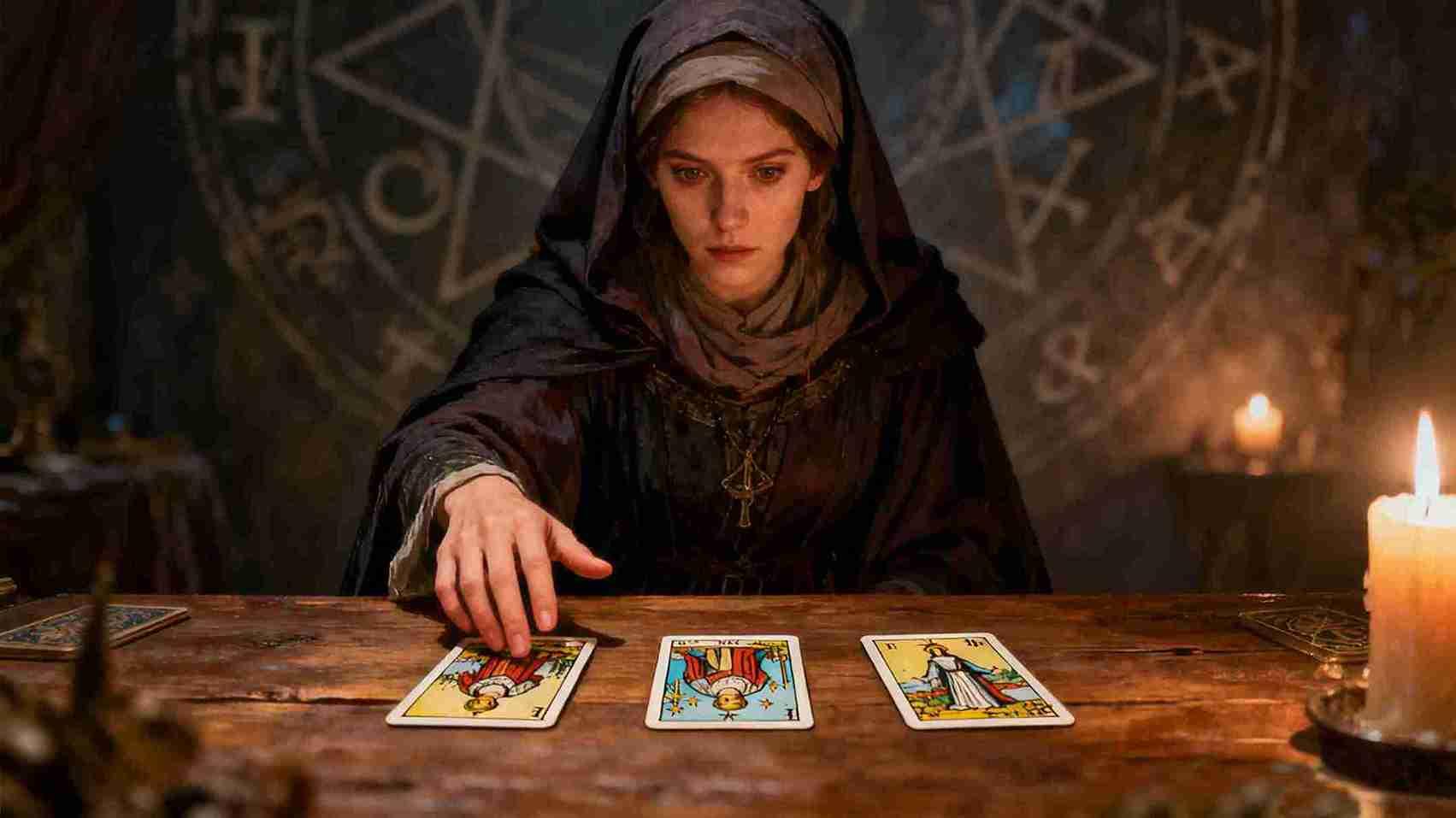
A Tarot reading is a structured yet intuitive process. It typically begins with the querent (the person seeking the reading) focusing on a question or area of life they wish to explore. The reader then shuffles the deck, often while the querent concentrates on their question, to infuse the cards with their energy. The querent or the reader then draws a predetermined number of cards, laying them out in a specific pattern known as a spread.
Common spreads include the simple three-card "Past, Present, Future" spread or the more insightful "Situation, Obstacle, Advice" spread. The interpretation is not merely about the individual meaning of each card, but a nuanced synthesis of their positions, their symbolism, and the relationships they form with one another. For example, in a relationship reading, the card in the "Past" position might show a recent emotional challenge (e.g., Five of Cups - grief), while the "Future" position could indicate a new, harmonious connection (e.g., Two of Cups - partnership), guiding the querent toward understanding the trajectory of their love life.
4. The Deeper Significance of Tarot
Ultimately, Tarot's greatest power lies not in fortune-telling, but in its capacity for introspection. The cards act as a profound mirror, reflecting the subconscious thoughts, fears, and hopes we may not readily acknowledge. A Tarot reading is a dialogue with the self. By projecting our inner world onto the rich tapestry of the cards, we can gain startling clarity, identify our hidden potential and blind spots, and ultimately, feel empowered to make more conscious and informed decisions for our lives.
Share this article
Help others discover this content
Published on November 29, 2025
Last updated on December 15, 2025